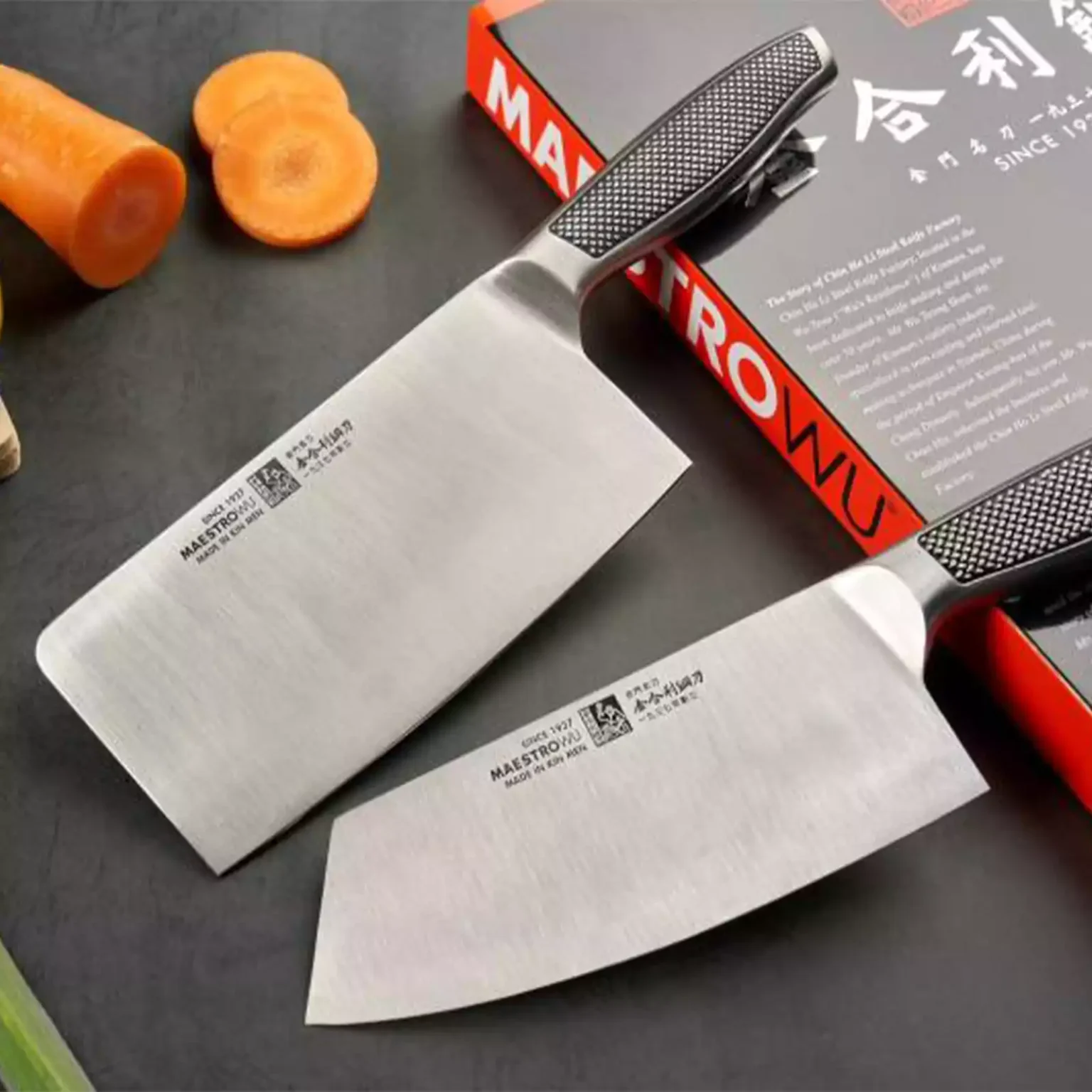
Maestro WU made the News again!
Zeit Online, a German news site just did an article on Kin Men and focused on Maestro Wu:
http://www.zeit.de/2011/46/Taiwan-Meister-Wu
Page two of the article has even more about Maestro Wu.
Here is the weak, yet tolerable Google translation:
The diameter of Master Wu
The island of Kinmen, located just a few miles from mainland China, has transformed decades of military conflict into a destination where history, culture, and craftsmanship come together.
One of the island’s most popular attractions is a military demonstration that recreates the loading and firing of artillery used during the conflict between Taiwan and China. Uniformed performers march in formation, carrying what appears to be a heavy artillery shell on a stretcher. Although the shell is imaginary, every movement is carefully synchronized until it is loaded into a large cannon. A loud sound effect marks the firing of the gun toward mainland China, giving visitors a glimpse into the island’s military past.
An Island on the Front Line
Kinmen sits only a few kilometers from China’s Fujian Province but is governed by Taiwan. Because of its location, the island became one of the first targets during the conflict between the People’s Republic of China and Taiwan.
Beginning in 1958, millions of artillery shells landed on the island over the course of nearly two decades. Early attacks used live ammunition, but later bombardments often carried propaganda leaflets instead of explosives. Taiwan responded in kind, sending its own propaganda-filled shells back toward the mainland.
During those years, Kinmen operated as a military fortress. Underground tunnels, bunkers, and defensive positions were built throughout the granite island in preparation for a possible invasion.
From Military Base to Tourist Destination
Relations between Taiwan and China gradually improved during the 1990s, bringing major changes to Kinmen.
Large numbers of military personnel left the island, and many former military facilities were opened to the public. Visitors can now explore underground tunnels, artillery positions, and defensive structures that once served military purposes.
The artillery demonstrations performed today are no longer carried out by soldiers. Instead, local student athletes perform several shows each day for visitors.
Tourists arrive not only from Taiwan but increasingly from mainland China as well.
Across the Water
Today, regular ferry services connect Kinmen with Fujian Province. The trip takes less than an hour.
On clear days, visitors standing on Kinmen’s shoreline can easily see the skyline of Xiamen, one of China’s largest coastal cities.
Residents of Xiamen often visit Kinmen to enjoy its historic villages, quiet atmosphere, clean air, and the island’s well-known sorghum liquor.
Likewise, many Kinmen residents travel to Xiamen for shopping and city life. Although political differences remain, daily travel between the two sides has become part of everyday life.
Turning Artillery Shells Into Kitchen Knives
The island’s history is perhaps most visible inside the workshop of Master Wu, where discarded artillery shells are transformed into kitchen knives.
The tradition began with his father, Chao-Hsi Wu, who learned blacksmithing in mainland China during the Qing Dynasty.
During the Japanese occupation of Kinmen between 1937 and 1945, steel was difficult to obtain. To continue making tools and kitchen knives, Chao-Hsi Wu began recycling pieces of unexploded Allied bombs as raw material.
When the shelling of Kinmen intensified in 1958, another source of steel appeared across the island—thousands of artillery shells left behind after the bombardments.
These remnants of war eventually became the material used for the knives that would make the Wu family famous.
Inside Master Wu’s Workshop
Walking into Master Wu’s workshop is like stepping into another era.
The building is modest, with a brick furnace darkened by years of use. A small shrine with burning incense stands near the entrance, honoring the local spirit that, according to tradition, watches over the workshop.
Master Wu is tall and slender, usually dressed in jeans and a work apron. His handshake quickly reveals years of experience working with steel.
The knife-making process begins by cutting a section from an artillery shell using a torch. Each piece is shaped into the outline of a blade before being heated inside a coal-fired furnace.
Once the steel reaches forging temperature, Master Wu begins hammering the glowing metal into shape.
The final grinding stage demands complete concentration. Holding the blade against the spinning grinding wheel, he moves with steady, practiced motions until the edge reaches its final shape.
Learning the Family Trade
Master Wu began helping in the family workshop when he was only six years old. Like his seven brothers and sisters, he started with simple jobs, including operating the bellows that supplied air to the forge. As he grew older, he learned every stage of knife making from his father.
Finished blades were displayed on the workshop wall for customers to choose from. According to Master Wu, customers often selected the knives he had made. Although he worked more slowly than his brothers, his attention to detail became one of his greatest strengths.
At sixteen, he left school to help support the family business. While he had hoped to continue his education, his skill as a bladesmith made staying in the workshop the practical choice.
The Growth of Maestro Wu
For many years, Master Wu’s primary customers were soldiers stationed on Kinmen.
Everything changed during the 1990s as tourism grew. Visitors began purchasing his knives, restaurants discovered his work, and media coverage introduced his craftsmanship to a much larger audience.
To allow tourists to watch the forging process, he converted part of the workshop into a demonstration area where visitors could see each knife being made.
An advisor from Taiwan’s Ministry of Economic Affairs later suggested creating a recognizable brand name.
That recommendation led to the creation of Maestro Wu. Master Wu still laughs when people refer to him by that title.
He often says that the true master is the customer, not the craftsman. Today, Maestro Wu knives are sold throughout Taiwan and exported to countries including the United States, France, Italy, and Russia.
The company now operates several knife stores on Kinmen while continuing to produce knives using traditional forging methods.
Preserving Kinmen’s Heritage
Kinmen is known not only for its military history but also for its traditional architecture.
Many villages were built in the Fujian style between the 17th and 19th centuries and survived years of military conflict.
Their swallow-tail rooflines, granite walls, carved wooden doors, courtyards, and family shrines offer visitors a look at the lives of wealthy merchant families during the Qing Dynasty.
Some of these historic homes remain occupied by descendants of the original families, while others have been restored as guesthouses.
Many visitors come from Taiwan, Singapore, Europe, and other parts of Asia to experience the quiet atmosphere and preserved architecture.
Together, Kinmen’s history, craftsmanship, and traditional villages make the island much more than a former battlefield. It has become a place where conflict has been transformed into culture, craftsmanship, and a lasting connection to the past.
“Maestro Wu,” has nothing against tourists from the People’s Republic, on the contrary: “Such a group can be a whole boutique” buying up, says the smith, as he prepares Taiwanese oolong tea. The blacksmith carefully handled with delicate tea sets. The Gong Fu ceremony is a major fixture for Wu everyday bustle. Devoutly he sniffs his tea cups. Then he tells him that are now offered shells from around the world, most recently from Iraq. Wu raises his arms up: “The world is crazy,” laughs and embarrassed!. “I’m here but still have enough material for years!”
Maestro Wu Bombshell Steel Knives are currently available here.