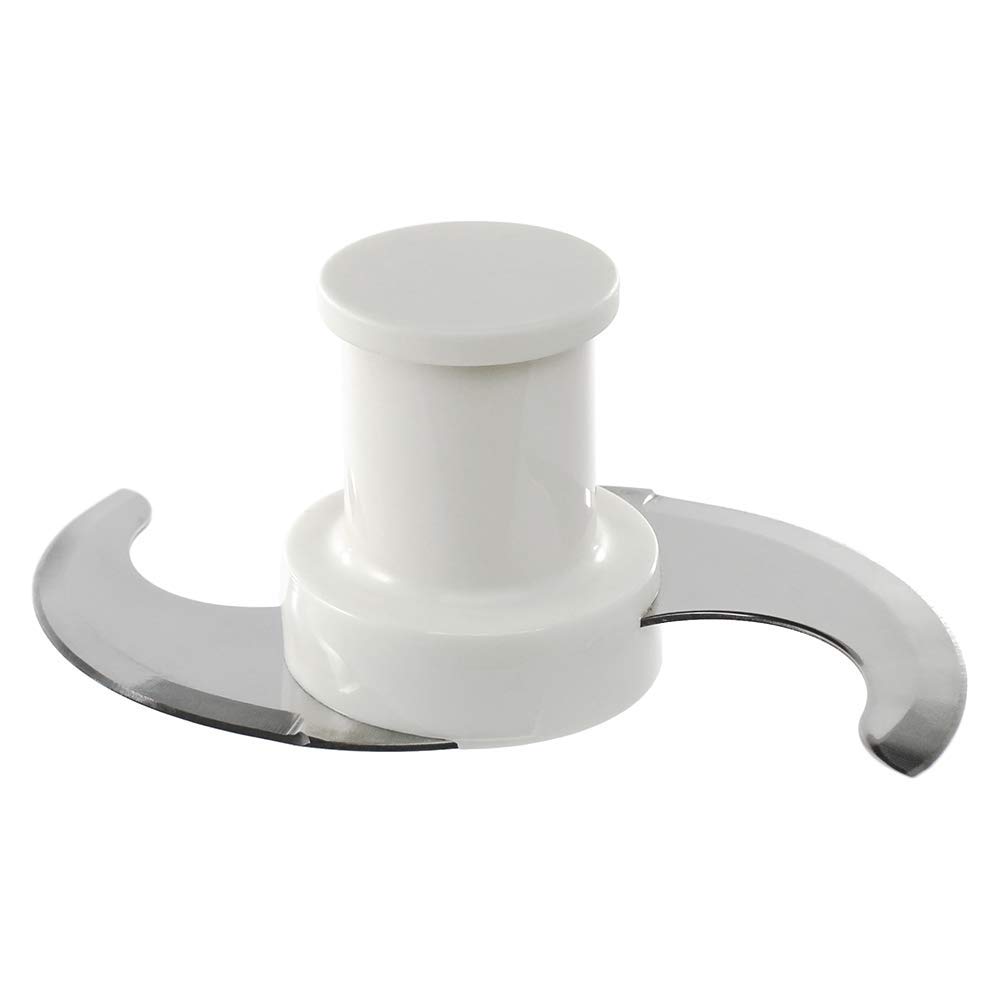
Robot Coupes are pretty serious food processors. They utilize double curved saber-like blades to cut through nuts, frozen foods, seeds and pits. With anything mechanized, it is always more important to have a good shape of the blade rather than more refinement. You also need some more obtuse geometry at the edge to withstand the constant and speedy impact forces it will be subjected to. In this video, we used our 2×72 belt sander with a 100 grit belt followed by a trizact A30 and a buff to finish. We don’t recommend sharpening these kinds of blades unless you are an experienced sharpener. they can be very dangerous with 2 blades and moving parts.
You can see the fillet knife video mentioned in the video above, here:
Why These Blades Require Experience
Robot Coupe blades can be extremely dangerous to sharpen without proper experience and equipment.
The combination of:
- Dual cutting edges
- Curved blade geometry
- Aggressive edge profiles
- Moving mechanical components
makes them far more hazardous than conventional kitchen knives.
Improper sharpening can:
- Damage the blade balance
- Create unsafe edge geometry
- Reduce cutting efficiency
- Increase the risk of injury
Important Safety Warning
We do not recommend sharpening Robot Coupe blades unless you are an experienced sharpener with proper belt grinding equipment and safety knowledge.
Always:
- Wear protective equipment
- Secure the blade properly
- Maintain the factory geometry
- Avoid overheating the edge
- Inspect the blade carefully after sharpening
Commercial processor blades are designed for performance and durability, and improper sharpening can permanently affect both.
Helpful link – Sharpening a Wusthof Fillet Knife – Jende Industries